1 Nights & 2 Days Journey to Majesty: Agra Tour Package with Your Personal Chauffeur for a Regal Adventure!
Destinations Covered : Delhi » Agra
| Price | On Request |
|---|---|
| Duration | 1 Nights & 2 Days |
| Destinations | Delhi » Agra |
| Inclusion | Budget - 5 Star Flights (On request) 24/7 Car Sightseeing Local Guide Breakfast Airport Pickup |

Our Experts would love to customize the package for you.
Just drop your query and relax, Our team will hunt for the best deals available for you and help you save more. Assured best deal ever.
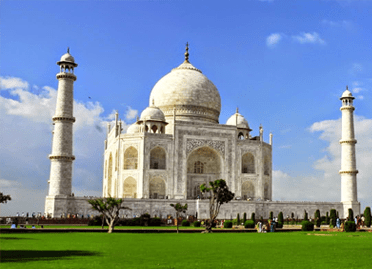
This same day Agra tour is designed for tourists who are only interested in a tour of Taj Mahal, your tour starts our representative picking you up at the Delhi airport and proceeding towards Agra. You will visit the Taj Mahal, one of the 7 wonders of the world, the symbol of love. Then visit Agra Fort, Itmad Ud Daulah tomb-the baby Taj Mahal. A visit to the Local bazaar of the city will be an add-on to your tour. Please Note, Above Mentioned Itinerary Can be Customized depending on your requirements.
Inclusions:
- Assistance at arrival and departure.
- Tonga Ride in Agra.
- English speaking guide.
- Airport Pick up / drop by an exclusive air conditioned car.
- All sightseeing and travel by an exclusive Air Conditioned private car with an experienced, professional, English speaking driver.
- Mineral water bottle available in the car.
- Toll tax, Parking, driver expenses.
- All other applicable taxes.
Exclusions:
- Any expenses for unfortunate circumstances like cancellation/flight delay/hike in fare or for any other similar reason or for any natural calamity.
- Personal Expenses i.e. Telephone Calls, Laundry, Soft / Hard Drinks, Meals, Tipping etc.
- Any Domestic / International flight fare.
- Monuments entry fees.
- Anything that is not specifically mentioned in the above inclusions.
Activities you can enjoy during the tour
- Tonga Ride in Agra.
- Enjoy the fun of having street food.
- Visit local handicraft, textile markets , shopping.
Special Attention
- Personal assistance by our representative at airports.
- At arrival you will get a kit of your complete tour documents.
- Our representative will explain you the tour detail at you arrival.
- We provide baby seater and baby stroller for small kids if required
- Wheel Chair for the Olders or the Physically Challanged Traveler if required.
- Stay connected 24 x 7 with our tour experts during your tour over phone for hassle free travel.
- Special take care of senior citizens , Physically challenged travels and Kids.
- Exclusive Air Condition Vehicle, Professional Govt authorized tour Guides and Well experienced Co-operative driver.
- Vehicle availability 24x 7 during the entire tour.

Request for a Quote
Instant Quote, Best Deals - 100% Customizable, Includes hotels + car + guides Cost depends on various factors like, number of people you are, travel dates, category of hotel and transportation etc.Drop your Inquiry to get the best deals as per your requirements. 100% Satisfaction Guaranteed. Rated 5* in TripAdvisor.